Tuesday Jan 23, 2024
How One Debt-Laden Company Could Create a Storm for Private Jets
VistaJet’s big pandemic expansion now looks overstretched, posing a risk for Canadian plane maker Bombardier
Jan. 22, 2024 5:52 am ET
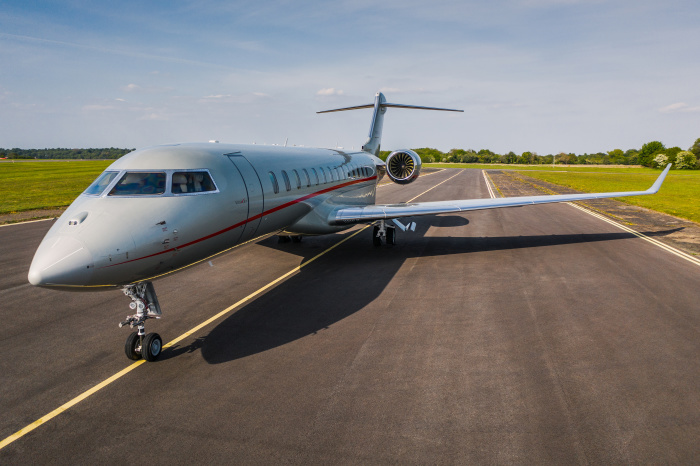
VistaJet operates a fleet of Bombardier aircraft, including the ultra-long-range Global 7500. Photo: VistaJet
Private jets were a rare pandemic winner in the otherwise decimated travel business. Now that they are coming back down to earth, one heavily indebted operator could give the industry a hard landing.
Based in Malta, privately owned VistaJet grew at breakneck speed after 2019 to become the world’s second-largest flier of private jets. But, through complex financial engineering involving its founder and owner, Swiss entrepreneur Thomas Flohr—who briefly showed up in the Forbes billionaires list in 2018—it also accumulated big debts that could prove unsustainable. The company offers a kind of private-jet taxi service.
Globally, private-aviation flights are still above pre-Covid levels, but they are steadily coming down from their 2022 peak, data by lessor Global Jet Capital shows.
Investors are getting increasingly worried: A VistaJet bond issued last May, which was very oversubscribed, is now selling off. On Friday, its yield closed at 17.23%, the highest on record. This means a price of 77 cents on the dollar and a spread over Treasury yields of 13.18 percentage points. Ratings companies haven’t downgraded the bonds, which have a B-minus sub-investment grade. But only 9% of securities in that category trade at spreads above 10 percentage points, the typical threshold for distress, S&P Global Market Intelligence data shows.
Disclosures related to VistaJet’s bond showed the company’s net loss rising to $139.5 million in 2022, compared with $50.5 million in 2021. Its net debt increased to an eye-watering 23.5 times equity, up from 7.8 times a year earlier. Auditor EY warned in April that “a material uncertainty exists that may cast significant doubt on the Group’s ability to continue as a going concern,” the Financial Times reported in May.
VistaJet’s debt load is also an underappreciated risk for Canada’s publicly-listed Bombardier, its key plane supplier, and the whole market for secondhand private jets.
Last year,
rescued one of VistaJet’s peers, U.S.-based
, from a bankruptcy that would have brought 180 planes to the market. VistaJet is bigger. During the pandemic, it acquired rivals such as Air Hamburg and Jet Edge and tripled its owned fleet to 270 jets, including many top-of-the-line Bombardier Globals with a range of 6,000 miles or more.
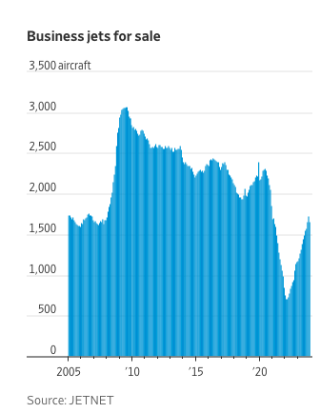
For now, secondhand jet prices remain sky-high, but some aircraft brokers fear that could soon change. Data from JETNET shows that the number of private aircraft for sale rose to around 1,700 in December, from a low of about 700 in early 2022.
Many of VistaJet’s aircraft deliveries from Bombardier have come via orders made between 2012 and 2015 by Flohr himself through other companies he owns, bond documents show. Export Development Canada, a public export credit agency, financed many of them, though VistaJet was on the hook for the money. Flohr then sold options to buy these planes to a firm now owned by VistaJet. Some were canceled.

 Professor Elam
Leave a comment